The moment of approval is not the end of the road. It is the start of a challenge called project implementation.
The joy is great – and rightly so. The funding application was approved. ESPA or another programme gave the long-awaited “yes”. The screen reads “Approved Budget: 95.000€” and everyone is celebrating. So far, so good.
But there somewhere the less glam and more demanding side of the matter begins. Because funding is not cash in hand. It is an obligation in progress. And anyone who does not deal with it seriously and strategically risks losing not only the money, but also the project, the prospect and their peace of mind.
What comes after approval?
Administrative actions that (often) no one explains to you
From creating an electronic file with supporting documents to proving that everything is lawful. OPSKE requires precision. The documents must have the correct chronology, signatures and structure. Procedures do not forgive mistakes.
Cash flow
Were you expecting an advance? Not quite so simple. In most programmes, you pay first – and then you are reimbursed. So? Either you have reserves or you proceed to borrowing. And that is how the tough reality begins.
Actual implementation
Many projects started so that they would never be completed. Because the equipment was delayed, professionals were not consistent, the market changed. And the subsidy became a burden. Remember: the project is not the paperwork – it is the actions.
What do you need from us?
Organisation: Nothing will run smoothly without a timetable, responsibilities and control.
Team: You need people who know – not only accountants and consultants, but also project managers and technical partners.
Patience: Because “payment approval”, “audit pending”, “finalisation of file” can fray your nerves.
Adaptability: The project you approved does not mean it is the project you will carry out. The market changes, and with it you must change too.
Small tips with a big impact:
Create an internal monitoring file. Do not rely only on the consultant.
Speak often with your accountant. Many approvals are blown up because of VAT, invoices or errors in expenses.
Take backup quotes. Do not tie yourself to a single supplier.
Keep a personal project diary. Memory forgets. The subsidy never does.
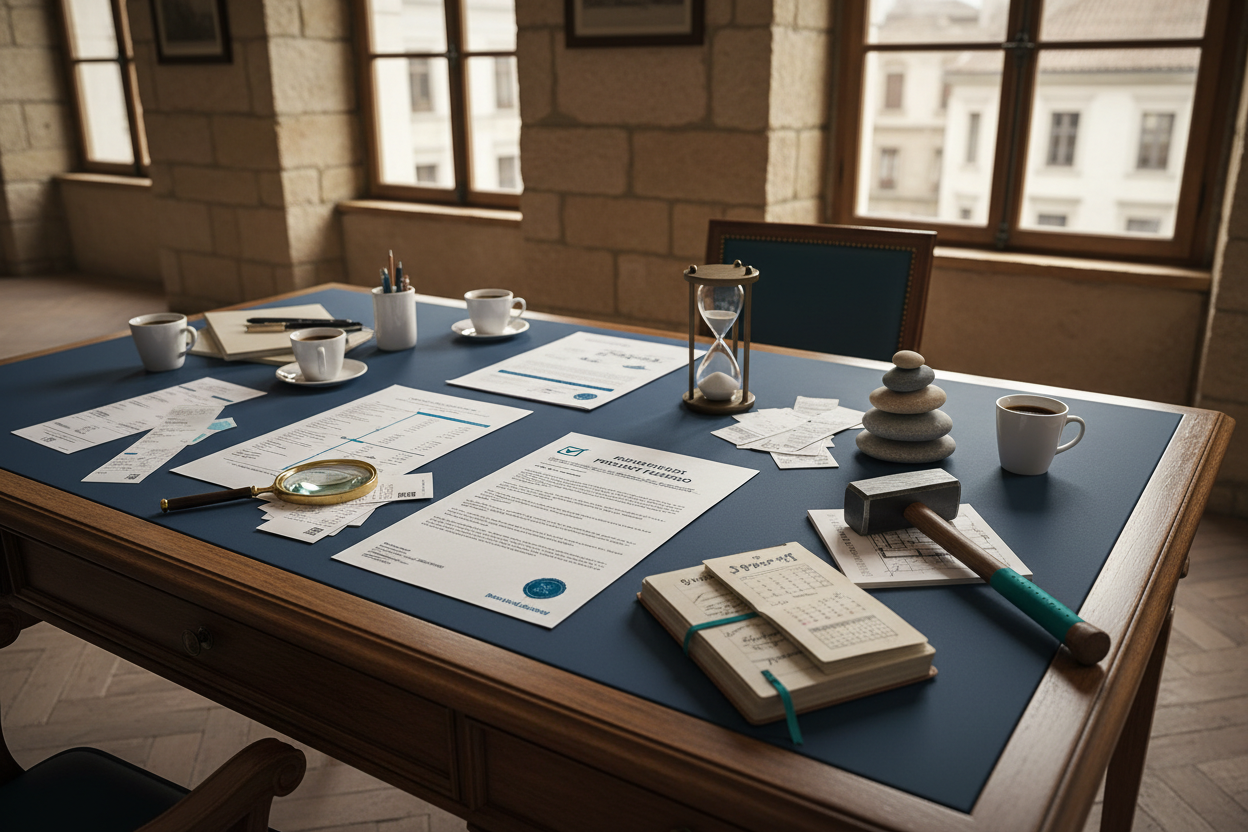
The subsidy is not a lottery. It is a tool. Like a hammer: it can build a house, and it can also break everything. It depends on the hand that holds it. And if that hand is determined, organised and down to earth – then the project will not simply be funded.
It will be sustainable.
Elina Karamanou CEO | Co-Founder | Business Consultant at AFS